
The Mystery of the Parshmen
The Way of KingsThe apparently docile Parshmen become the center of the book’s largest revelation: an enslaved population may be connected to the ancient enemies of humanity.
increasing Bearing strength in each event
 decreasing
Bearing strength in each eventdecreasingServants Without Questions
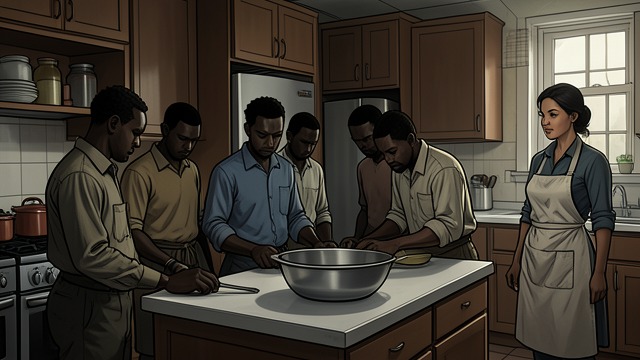
The Accepted Servant
Social Normality
Parshmen work in homes, farms, kitchens, and warcamps, regarded as obedient labor rather than as people with independent history.
A Blind Dependence
Human society is built around their silence. Their invisibility becomes the reason no one recognizes the danger of their suppression.
The Parshendi Difference
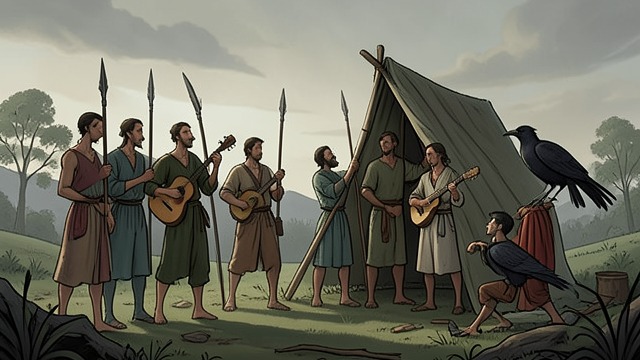
A Civilization Appears
Impossible Parshmen
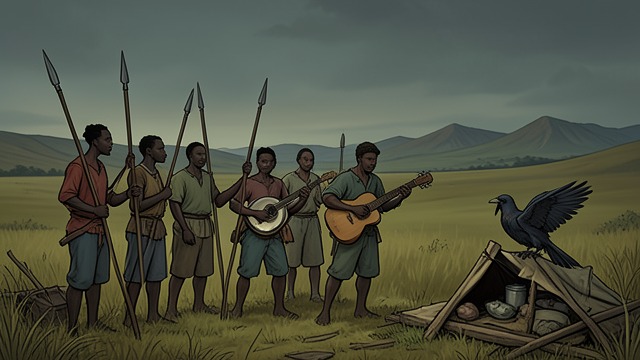
Gavilar’s expedition finds free parshmen who hunt, build, speak, make music, and organize society.
The First Disruption
The discovery contradicts every human assumption about Parshmen nature. Gavilar’s sudden fascination becomes a clue to the secret behind his later treaty.
Parshendi Shardblades
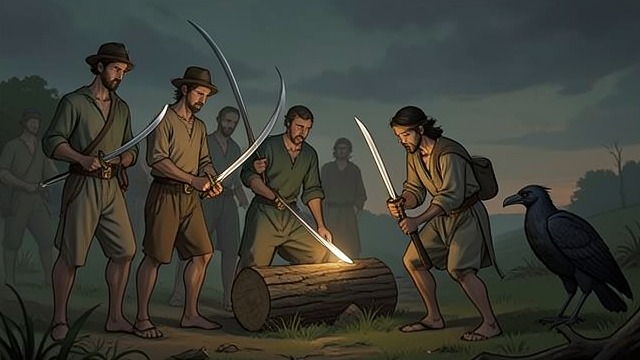
Weapons Outside Human Control
Hidden Relics
The Parshendi possess Shardblades and display sophisticated weapons despite their apparently primitive material culture.
Political Motive
Jasnah suspects that Gavilar discovered their Shards and sought a treaty partly to control access to them. The weapons make the Parshendi central to Alethkar’s future.
The Slave Population’s Risk
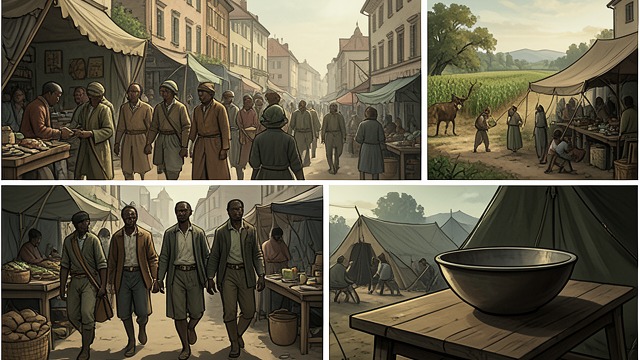
A Civilization Built on Captivity
The Hidden Army
Jasnah argues that Parshmen are integrated into every part of human society, making a sudden revolt potentially civilization-ending.
Historical Repetition
The modern situation mirrors ancient Desolations, when Parshmen repeatedly became destructive enemies. Humanity may have recreated the conditions of its old catastrophe.
The Voidbringer Revelation
Enslaved Ancient Enemies
The Evidence Converges
Accounts of ash, fire, black eyes, terrible skin, music, and transformation align with Parshmen and Parshendi traits.
A Terrible Conclusion
Jasnah concludes that humanity did not destroy the Voidbringers. It enslaved them, turning present civilization into a structure built upon suppressed enemies.
Before the main narrative and in Shallan’s memories
During Gavilar’s first expedition to Natanatan
During the years after Gavilar’s treaty
During Jasnah’s explanation to Shallan
Near the ending after Shallan studies Jasnah’s notes
